
Research
Multimodal Agents for Empathic Communication
Developing multimodal agents to convey care and empathy.
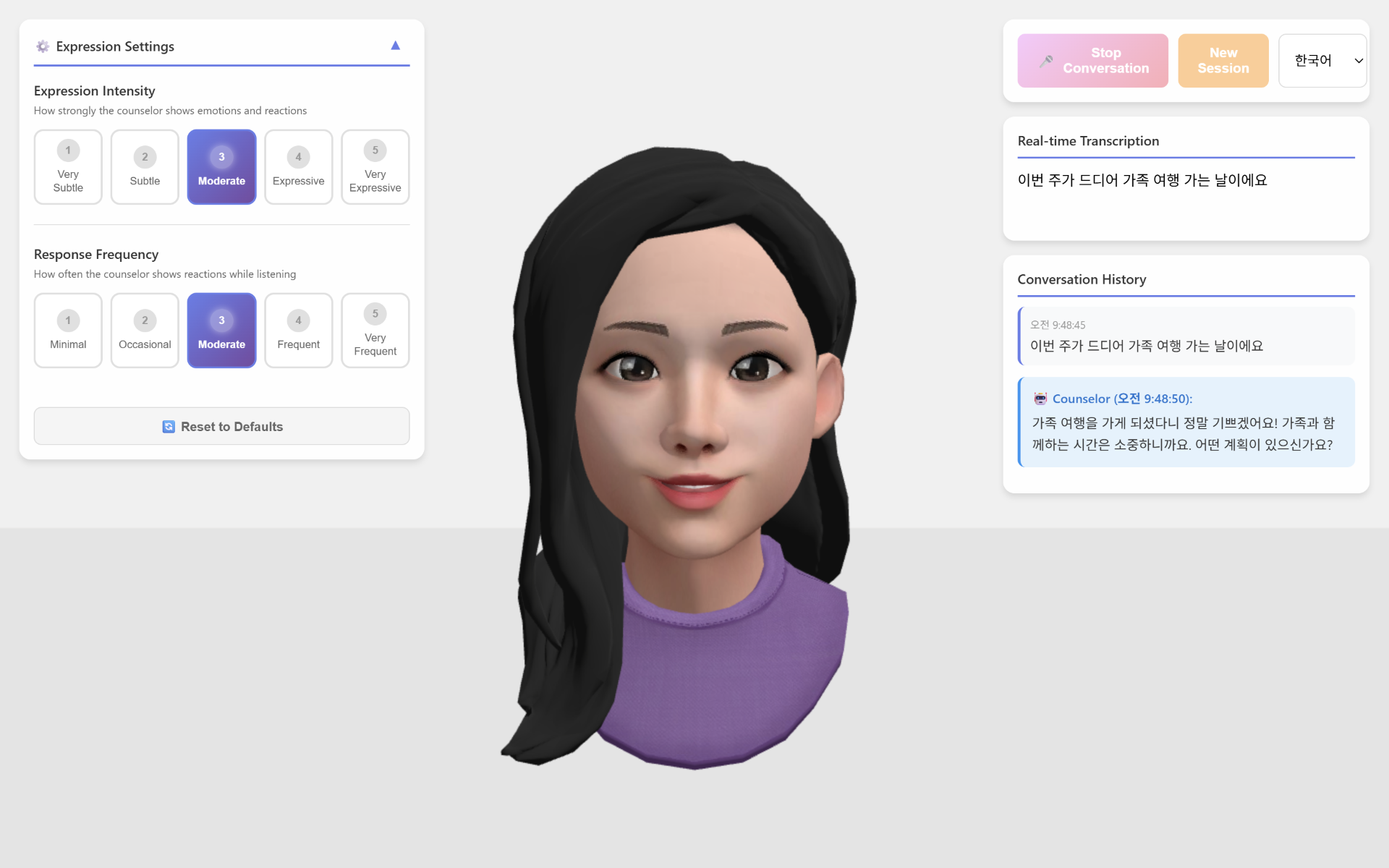
Effects of Non-verbal Empathy Expressions by AI Peer Counselling Avatars
Nonverbal cues such as eye contact, facial expressions, and head-nodding are crucial for conveying empathy in counseling. This project explores how AI avatars can express empathy nonverbally in real time, and whether that shapes how emotionally supported users feel in the peer support context.
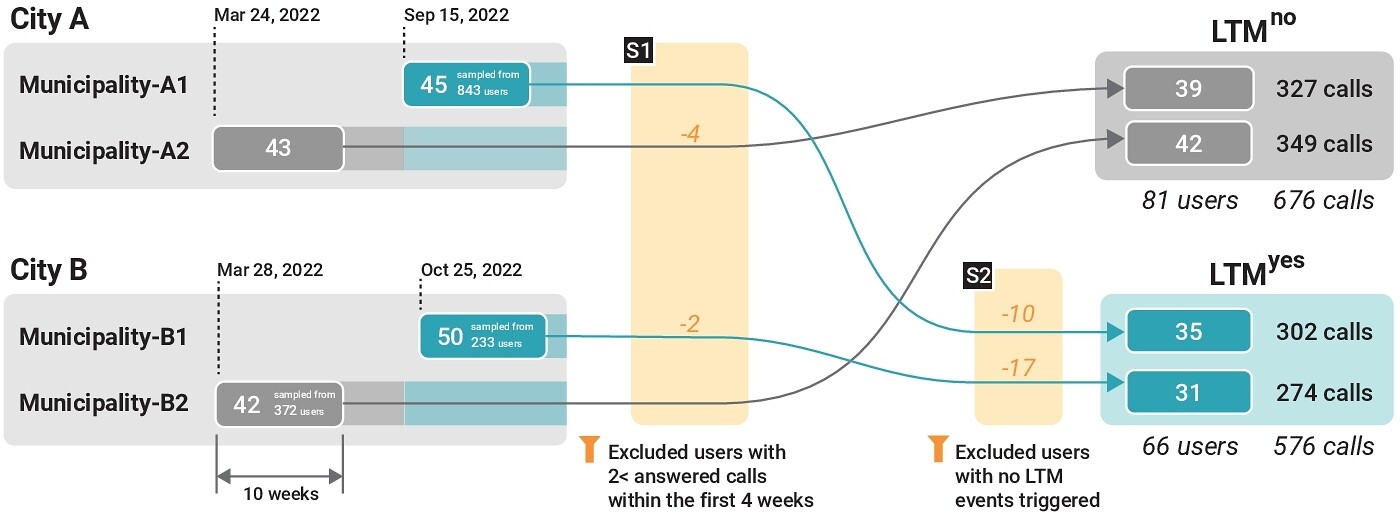
Long-Term Memory in LLM Chatbots
Long-term memory is crucial in supporting people's longitudinal interactions with chatbots. We study how we can better design long-term memory to improve interactions with LLM-driven chatbots.
CareCall LTM
ACM CHI 2024
Social Isolation Intervention
Exploring how technology could better support the health and wellbeing of socially isolated individuals.
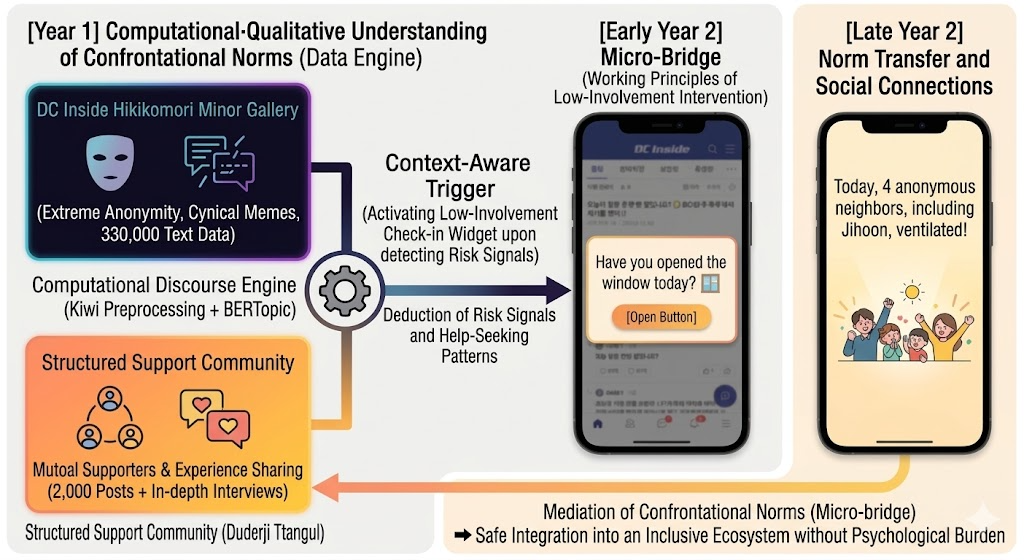
Micro-Bridges for Socially Isolated Youth
Combining low-effort technical interventions with mixed-methods analysis of extreme online discourse, this research works to safely transition reclusive and socially isolated youth into healthier support networks. This effort ranges from NLP-driven insights into how marginalized individuals express themselves in anonymous spaces to privacy-preserving check-in widgets that foster daily micro-connections.
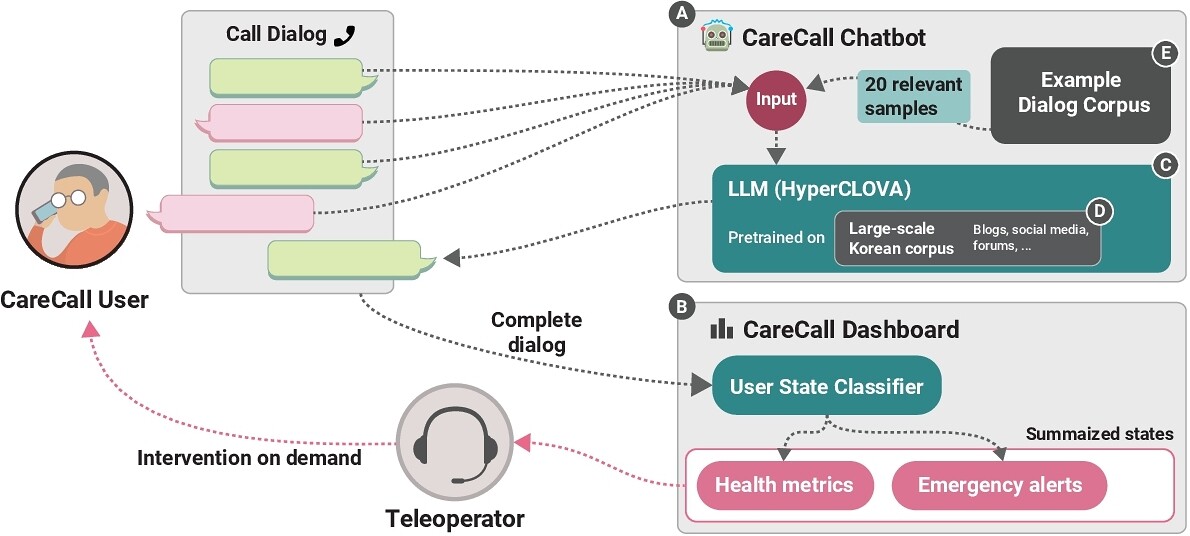
LLM-Driven Chatbots for Public Health Monitoring
Socially isolated individuals often fall outside the reach of traditional support systems. We study how LLM-driven public health monitoring chatbots are perceived by different stakeholders, such as socially isolated individuals, frontline health workers, decision-makers, and developers.
CareCall
ACM CHI 2023
CareCall Public Agencies
ACM CHI 2025
Mindful and Collaborative Health Monitoring
Designing health monitoring tools to help people interact with technology in a more mindful and meaningful way.
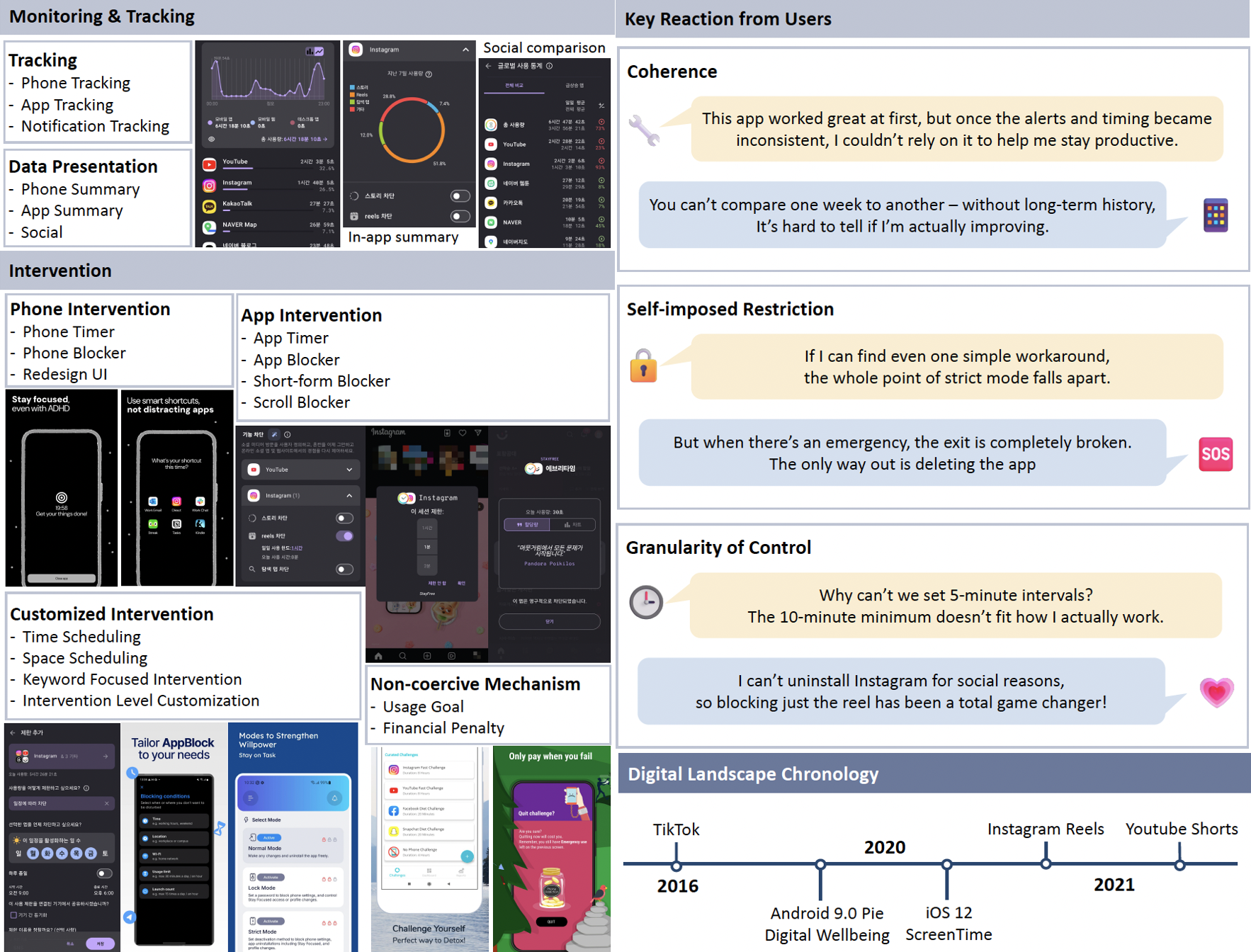
Digital Wellbeing Intervention
Exploring self-control technologies that help people stay in charge of their own screen time. With a focus on infinite scrolling environments like short-form video, we investigate how to preserve human autonomy and prevent mindless scrolling through thoughtful technical interventions.
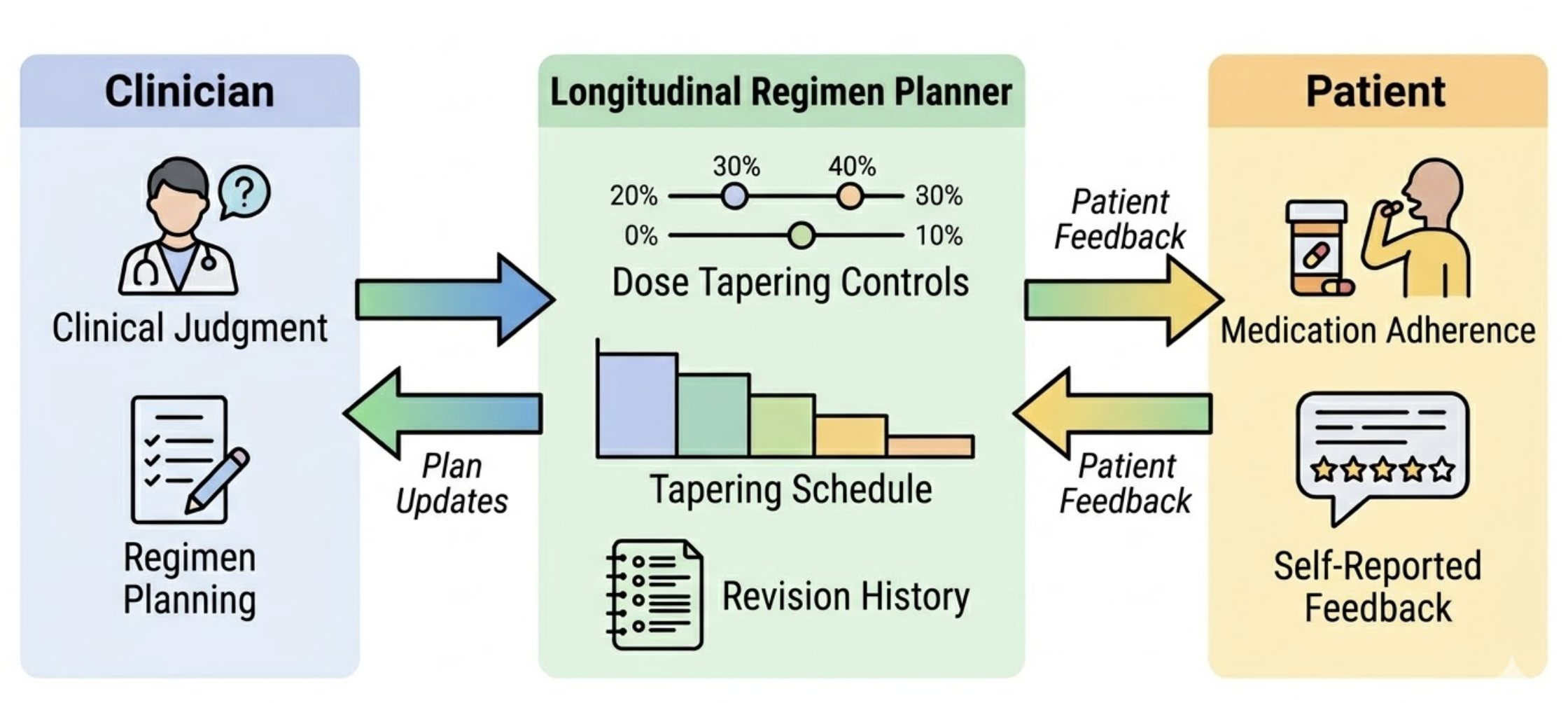
Clinician Tools for Flexible Care Planning
Discontinuing psychiatric medication is a complex, long-term process that requires careful coordination between clinicians and patients. We study how flexible digital tools can support clinician planning and patient-centered communication.
AT Planner
ACM CHI 2022
AT Annotator
PACM HCI CSCW 2024
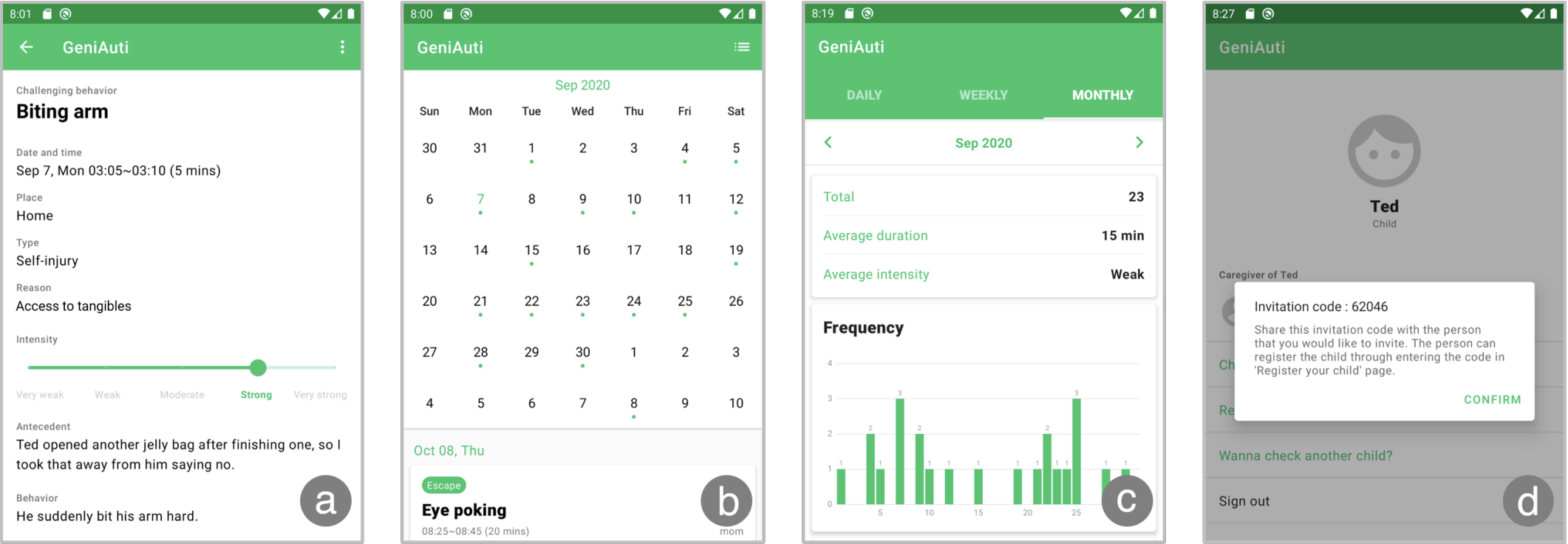
Data-Driven Interventions for Collaborative Family Practices
Family members often engage in collaborative health monitoring. We develop novel systems to support family members with various health needs collaborate among themselves and with healthcare providers.
MAMAS
PACM HCI CSCW 2020
GeniAuti
PACM HCI CSCW 2022